
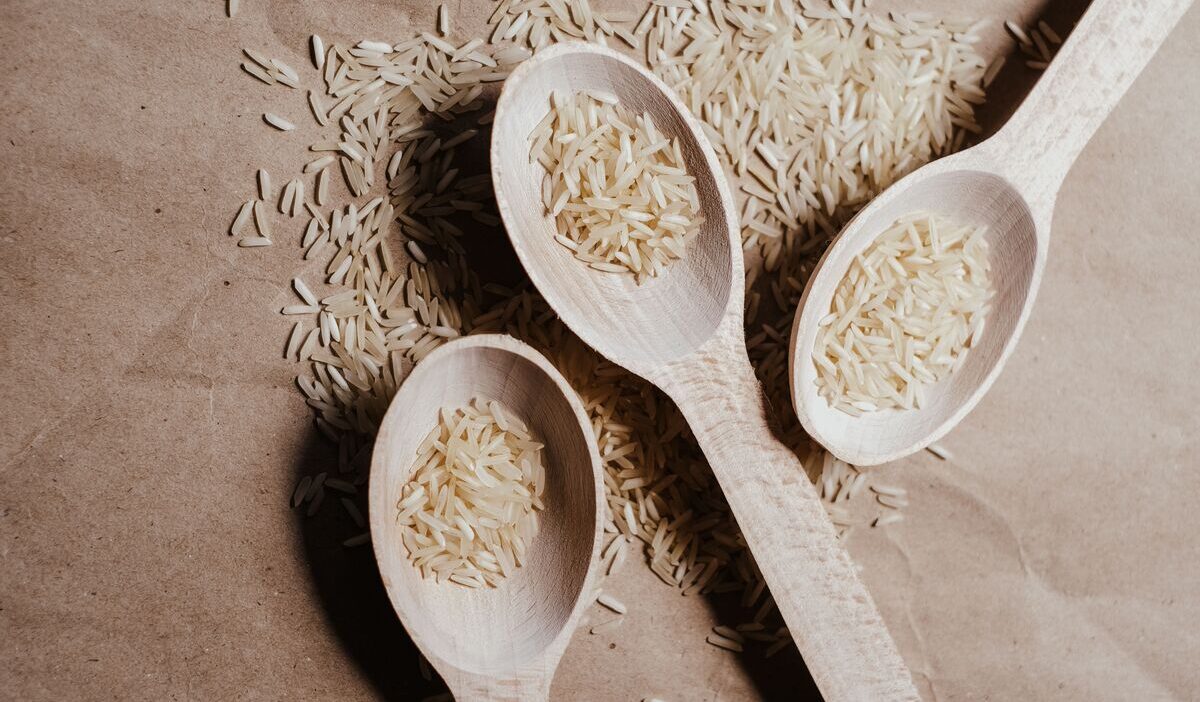
White rice is one of the most common foods in the world, but people following a gluten-free diet still ask one important question: is white rice gluten free?
The answer is usually simple, yet the details matter. Plain white rice is naturally free from gluten, but packaged mixes, restaurant dishes, and shared cooking spaces can change the safety of a meal quickly.
1. Is White Rice Gluten Free?
Yes. Unlike grains such as wheat, barley, and rye, rice belongs to a completely different grain family and naturally contains no gluten. Since those three grains are the main natural sources of gluten, regular white rice does not contain gluten by itself.
The Celiac Disease Foundation also lists rice among naturally gluten-free foods, along with potatoes, corn, quinoa, and other safe starches: Celiac Disease Foundation gluten-free foods guide.
2. Can Rice Cause a Celiac Flare-Up?
In most cases, plain rice is not the cause because rice itself does not contain gluten.
Cross-Contamination Is the Real Concern
Rice can become unsafe for someone with celiac disease if it comes into contact with gluten-containing foods. This may happen during processing, packaging, storage, or cooking.
For example, rice processed in a facility that also handles wheat products may carry cross-contact risk. In restaurants, the same pot, spoon, rice cooker, or serving tray may be used for both gluten-free and gluten-containing dishes.
Beyond Celiac explains cross-contact as a situation where gluten-free food is exposed to gluten-containing ingredients: Beyond Celiac cross-contact guide.
Gluten Risks Hidden in Rice Mixes and Restaurant Preparations
Seasoned rice mixes are another common problem. Some boxed rice products include flavor packets, thickeners, hydrolyzed ingredients, malt flavoring, or soy sauce powder. Traditional soy sauce often contains wheat, so fried rice, rice bowls, and Asian-style sauces should be checked carefully.
Restaurant rice dishes can also include broth, bouillon, gravy, seasoning blends, or sauces that are not gluten-free. If you have celiac disease, ask whether the rice is cooked in plain water and whether any shared equipment is used.
Non-Gluten Reasons Rice Might Upset Your Stomach
Sometimes rice causes discomfort for reasons unrelated to gluten. Eating large portions of white rice may feel heavy for some people because it is rich in starch. Others may react to spicy sauces, oils, garlic, onions, dairy-based toppings, or high-sodium seasonings served with rice.
In this case, the issue is not gluten. It is more likely the overall meal, portion size, or another ingredient paired with the rice.
3. Foods That People Often Mistakenly Think Are Gluten-Free
Many people assume that if a food does not look like bread or pasta, it must be gluten-free. Unfortunately, gluten can hide in sauces, seasonings, and processed foods. This is why label reading is just as important as knowing which grains to avoid.
Soy Sauce
Traditional soy sauce is one of the most overlooked gluten sources because it is often made with wheat. Gluten-free tamari or clearly labeled gluten-free soy sauce is usually a safer choice.
Soups and Gravies
Some soups and gravies use wheat flour as a thickener. Even if the main ingredients are meat, vegetables, or rice, the thickening base may contain gluten.
Processed Snack Foods
Chips, crackers, coated nuts, flavored popcorn, and snack mixes may contain wheat-based seasonings. Always check the ingredient list instead of relying on the product name.
Flavored Rice Dishes and Rice Mixes
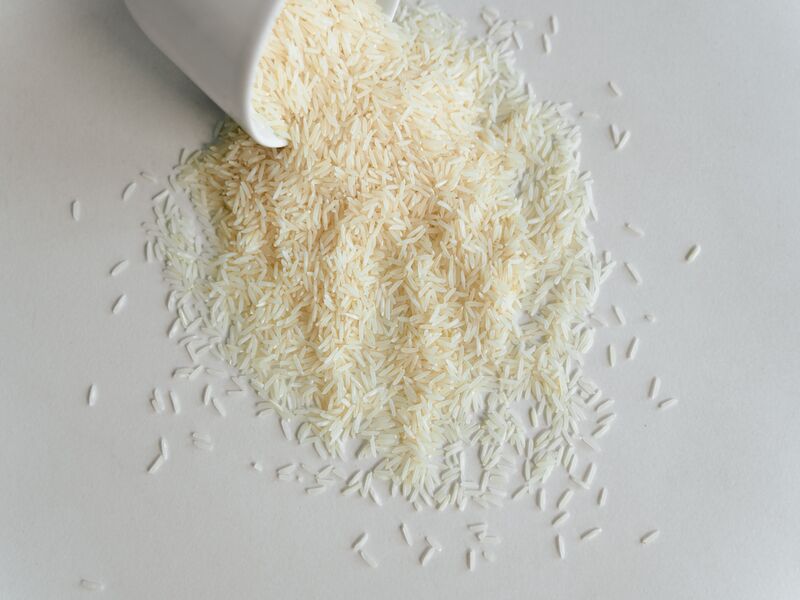
This is where many people get confused. Plain rice is safe, but flavored rice may not be. A chicken-flavored rice mix, cheesy rice pouch, or instant rice cup can include gluten-containing additives.
Breakfast Cereals
Some cereals are made from corn or rice but still contain malt flavoring from barley. That means they may not be safe for people avoiding gluten strictly.
Restaurant Sauces and Seasonings
Sauces, marinades, spice blends, and dressings can contain wheat, barley derivatives, or gluten-containing thickeners.
The FDA states that foods labeled gluten-free must meet specific requirements, including having less than 20 ppm of gluten: FDA gluten-free labeling information.
>>> Read More: Is Farro Gluten Free? What to Know Before Adding It to Your Diet
4. FAQs
Why Do Chinese Eat White Rice Instead of Brown?
White rice has long been preferred in many Chinese meals because it has a softer texture, neutral taste, and shorter cooking time.
Are Potatoes Gluten-Free?
Yes. Potatoes are naturally gluten-free when plain. Baked, boiled, or steamed potatoes are usually safe. Problems can arise when potatoes are prepared alongside gluten-containing foods, cooked in shared fryers, or topped with sauces and seasonings that include wheat-based ingredients.
Can people with celiac disease eat white rice every day?
People with celiac disease can eat plain white rice, but variety is better for overall nutrition. A balanced gluten-free diet may also include potatoes, quinoa, corn, beans, vegetables, fruits, lean proteins, and certified gluten-free grains.
What grains should people with celiac disease avoid?
People with celiac disease should avoid wheat, barley, rye, and triticale. This includes foods made from regular flour, malt, brewer’s yeast, wheat-based pasta, many baked goods, and some processed foods.
Conclusion
Ultimately, the answer to is white rice gluten free is straightforward: plain white rice does not naturally contain gluten and is generally considered safe for most gluten-free diets.
If you’re building a gluten-free lifestyle, take a few extra moments to review product labels and food preparation practices so you can enjoy your meals with greater confidence and peace of mind.