

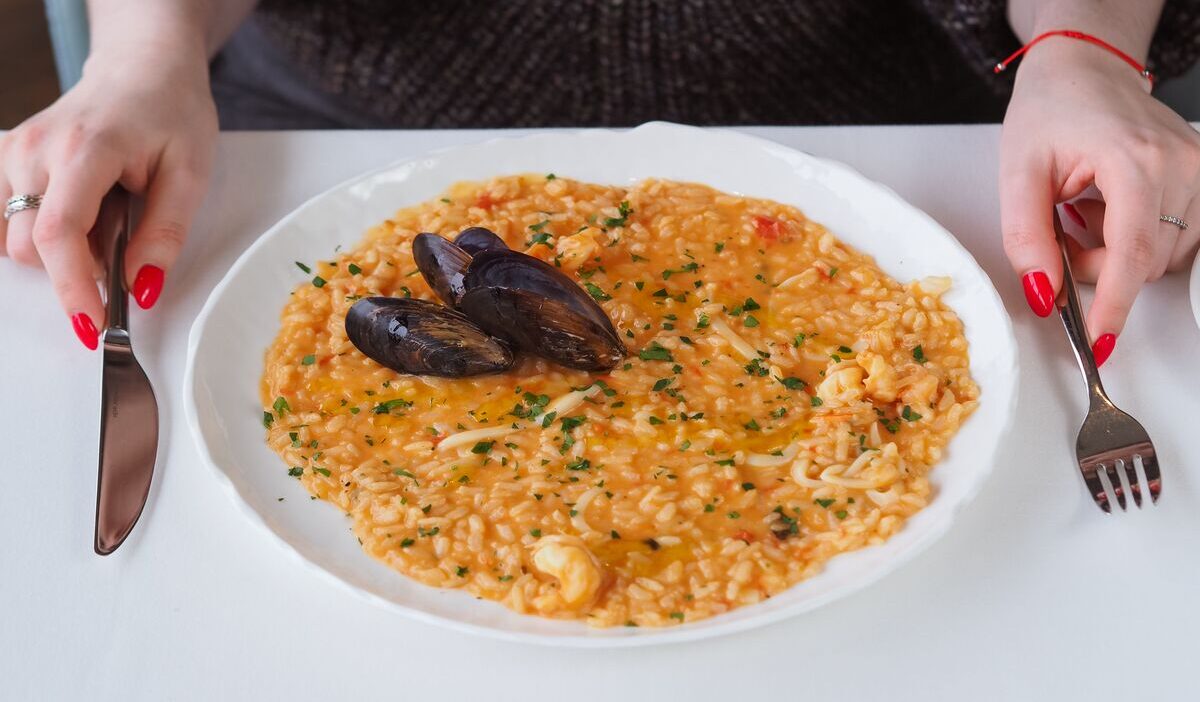
Risotto is a creamy Italian rice dish enjoyed around the world, but many people following a gluten-free diet often ask: is risotto gluten free? The answer is usually yes, but it depends on the ingredients used during preparation.
While traditional risotto starts with naturally gluten-free rice, some broths, sauces, and packaged products may contain hidden sources of gluten. Here’s what you should know before ordering at a restaurant or making it at home.
1. Is Risotto Gluten Free?
In its traditional form, risotto is generally gluten free because it is made with Arborio rice, a short-grain rice variety commonly used in Italian cooking. Rice naturally contains no gluten, making it suitable for people who avoid wheat, barley, and rye.
Because of this, many classic risotto recipes are naturally compatible with a gluten-free lifestyle. A basic risotto typically includes Arborio rice, broth, onions, cheese, and seasonings. None of these ingredients inherently contain gluten when carefully selected.
Is mushroom risotto gluten-free? In most cases, the answer is yes. Traditional mushroom risotto is usually prepared with rice, mushrooms, broth, Parmesan cheese, and herbs, all of which can be gluten free.
However, it’s important to remember that additional ingredients may change the answer. Certain flavored broths, seasoning blends, sauces, or processed ingredients can introduce gluten into an otherwise safe dish.
2. Is Risotto Gluten Free in USA?
The answer can vary depending on where the dish is prepared and which ingredients are used.
Restaurant Risotto
Many restaurants across the United States offer risotto that is naturally gluten free. Since risotto relies on rice rather than pasta, it is often included on gluten-sensitive menus.
That said, recipes differ from one restaurant to another. Some kitchens may use pre-made stocks, specialty seasonings, or finishing sauces that contain gluten. Cross-contact can also occur if the dish is prepared near gluten-containing foods.
Store-Bought Risotto Mixes
Packaged risotto products require extra attention. While the rice itself remains gluten free, seasoning packets and flavor mixes may contain gluten-derived ingredients.
Before purchasing, review the ingredient list carefully and look for allergen statements. Products carrying a certified gluten-free label often provide an extra layer of confidence for consumers with celiac disease or gluten sensitivity.
For additional guidance on gluten-free labeling, you can review resources from FDA Gluten-Free Labeling Guidelines.
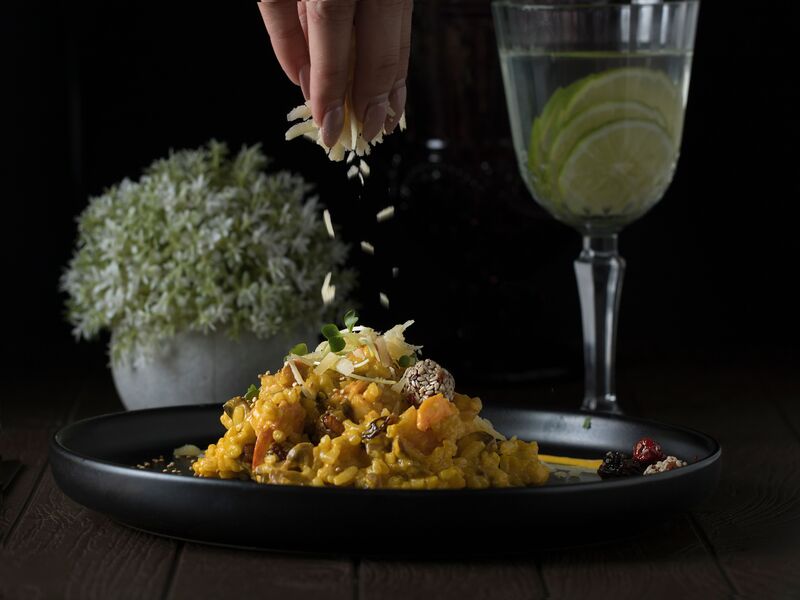
3. What Ingredients Can Make Risotto Contain Gluten?
Although risotto starts with gluten-free rice, several ingredients may affect its safety.
Broths and Stocks
Commercial chicken, beef, or vegetable broths occasionally contain wheat-based additives, flavor enhancers, or thickening agents. Choosing a certified gluten-free broth can help eliminate this concern.
Sauces and Seasonings
Certain sauces, spice blends, and flavor concentrates may include gluten-containing ingredients. Soy sauce is a common example since traditional versions are made with wheat.
Cross-Contamination During Cooking
Even when every ingredient is gluten free, contamination can occur during preparation. Shared cooking utensils, cutting boards, or pots used for wheat-based foods may introduce small amounts of gluten.

4. Gluten Free Risotto Recipe
If you’d rather prepare your own meal, this simple recipe is a great place to start.
Ingredients
You don’t need any special ingredients to make this gluten free risotto recipe. With Arborio rice, mushrooms, and a few kitchen staples, you can create a rich and satisfying dish at home.
- 1 cup Arborio rice
- 4 cups gluten-free vegetable or chicken broth
- 2 cups sliced mushrooms
- 1 small onion, finely chopped
- ½ cup Parmesan cheese
- 2 tablespoons olive oil
- Salt and pepper to taste
Step-by-Step Guide
Step 1: Prepare the Ingredients
Warm the broth in a separate pot and prepare all vegetables before cooking.
Step 2: Cook the Onions and Mushrooms
Heat olive oil in a large pan. Sauté onions until soft, then add mushrooms and cook until tender.
Step 3: Toast the Rice
Add Arborio rice and stir for about two minutes until lightly coated with oil.
Step 4: Add Broth Gradually
Pour in one ladle of warm broth at a time, stirring frequently as the liquid absorbs.
Step 5: Stir Until Creamy
Continue adding broth gradually until the rice becomes tender and develops a creamy texture.
Step 6: Add Cheese and Serve
Remove from heat, stir in Parmesan cheese, and season with salt and pepper before serving.
(*) Tip: The secret to creamy risotto is slow cooking and constant stirring. No flour is needed.
>>> Learn More: Spotify Student Plan: Price, Eligibility, and How to Get the Discount
5. FAQs
Can people with celiac disease eat risotto?
Yes. People with celiac disease can often enjoy risotto if all ingredients are gluten free and cross-contamination is avoided during preparation.
Is Arborio rice gluten free?
Yes. Arborio rice is naturally gluten free because rice does not contain the gluten proteins found in wheat, barley, or rye.
Is packaged risotto gluten free?
Not always. Some packaged risotto products include seasoning blends or additives that may contain gluten. Always review ingredient labels and allergen information.
Conclusion
So, is risotto gluten free? Traditional risotto is usually gluten free because it is made with Arborio rice, which naturally contains no gluten. However, broths, sauces, packaged mixes, and restaurant preparation methods can sometimes introduce gluten.