
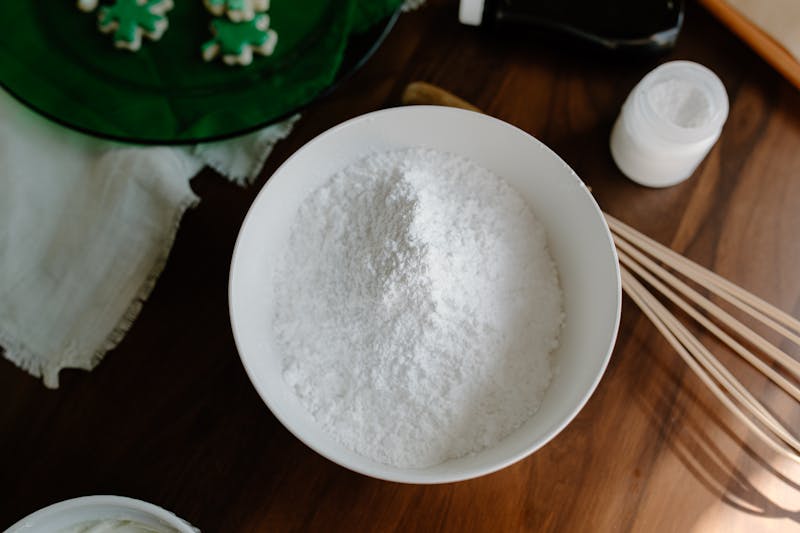
Is cornstarch gluten free? In most cases, yes. Cornstarch is naturally free from gluten because it is made from the starchy part of corn rather than wheat, barley, or rye. However, some products can become contaminated during manufacturing, which is why checking labels matters.
Cornstarch is a common kitchen staple used to thicken soups, sauces, gravies, pie fillings, and many baked goods. It creates a smooth texture without adding flavor.
For people following a gluten-free diet, understanding whether cornstarch is safe can help prevent accidental gluten exposure.
1. Is Cornstarch Gluten Free?
The simple answer is yes. Pure cornstarch is naturally gluten free because it comes entirely from corn.
According to the U.S. Food and Drug Administration (FDA), foods labeled “gluten-free” must contain fewer than 20 parts per million (ppm) of gluten. Many cornstarch products meet this requirement and are considered safe for people avoiding gluten.
Why Cornstarch Does Not Contain Gluten
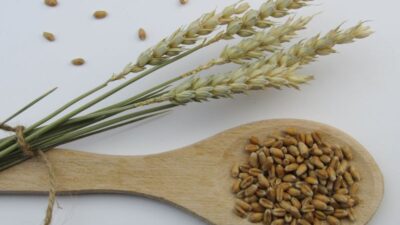
Gluten is a protein found in wheat, barley, rye, and related grains. Corn belongs to a completely different plant family and does not naturally contain gluten proteins.
As a result, plain cornstarch remains one of the most widely used ingredients in gluten-free recipes. It can replace wheat-based thickeners in many dishes while maintaining a similar texture.
Is Cornstarch Safe for People With Gluten Sensitivity?
For most people with gluten intolerance, non-celiac gluten sensitivity, or celiac disease, certified gluten-free cornstarch is generally considered safe.
However, safety depends on how the product is processed and packaged. This is where labels become important.
2. When Can Cornstarch Contain Gluten?
Although pure cornstarch is naturally gluten free, contamination can occur before the product reaches your kitchen.
Cross-Contamination During Manufacturing
Some food manufacturers process wheat-based products and cornstarch in the same facility. Shared equipment can introduce trace amounts of gluten into otherwise gluten-free ingredients.
For individuals with celiac disease, even small amounts of gluten may cause symptoms or intestinal damage. Therefore, checking manufacturing information is important.
Added Ingredients
Certain cornstarch-based products contain additional ingredients. Flavorings, anti-caking agents, seasoning blends, or other additives may contain gluten.
Bulk Bins and Repackaged Products
Cross-contact can also occur in grocery stores. Bulk bins may be exposed to nearby wheat products, while repackaged products may not follow strict allergen controls.
3. How to Make Sure Your Cornstarch Is Gluten-Free
If you want confidence that your cornstarch is safe, follow these simple steps.
Step 1: Read the Ingredient List
First, check the ingredients carefully. Plain cornstarch should generally list only one ingredient: cornstarch.
Step 2: Look for a Gluten-Free Label
Next, look for products labeled “gluten-free.” This indicates the manufacturer follows standards designed to keep gluten levels below regulatory limits.
Step 3: Check Allergen Statements
Many manufacturers voluntarily disclose whether wheat is present in the product or processed in the same facility.
Step 4: Research the Manufacturer
Finally, visit the manufacturer’s website if information is unclear. Many companies explain their allergen-control practices and gluten-free testing procedures online.
4. Cornstarch Alternatives for Gluten-Free Cooking
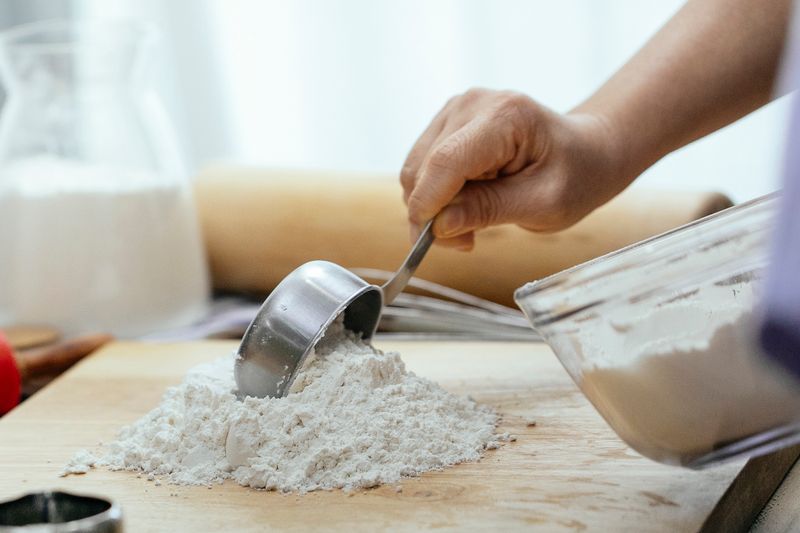
ome people still choose alternative thickeners due to dietary needs, allergies, or recipe requirements. Here are some recommendations:
Arrowroot Powder
Arrowroot powder is naturally gluten free and creates a glossy finish in sauces and fruit fillings. It works particularly well in acidic recipes.
Tapioca Starch
Derived from cassava root, tapioca starch provides excellent thickening properties and adds chewiness to baked goods.
Potato Starch
Potato starch is another naturally gluten-free option. It works well in soups, gravies, and gluten-free flour blends.
Rice Flour
Rice flour can thicken sauces and soups while also serving as a baking ingredient. Both white and brown rice flour are naturally gluten free.
Xanthan Gum
Although used differently than cornstarch, xanthan gum helps improve texture and structure in gluten-free baked goods.
>>> Read more: The Ultimate Guide to the DoorDash Student Discount
5. FAQs
Is cornstarch gluten free for people with celiac disease?
Yes, pure cornstarch is naturally gluten free. People with celiac disease should choose products labeled or certified gluten-free to minimize contamination risks.
Can cornstarch be contaminated with wheat or gluten?
Yes. Cross-contamination can occur during manufacturing, packaging, transportation, or storage if wheat-containing products are handled on shared equipment.
Is corn flour the same as cornstarch and gluten-free?
No. Corn flour and cornstarch are different products. Both can be gluten free when made solely from corn, but ingredient labels should always be checked.
Does heating cornstarch change its gluten status?
No. Heating does not create gluten or change the gluten-free nature of pure cornstarch. If it is gluten free before cooking, it remains gluten free afterward.
6. Conclusion
Is cornstarch gluten free? Yes, pure cornstarch is naturally gluten free and can be a valuable ingredient for thickening sauces, soups, desserts, and baked goods. Nevertheless, contamination risks may arise during processing or packaging, making label reading an essential habit.
For individuals following a gluten-free lifestyle, choosing products labeled gluten-free and purchasing from trusted manufacturers offers the highest level of confidence. With the right product selection, cornstarch can remain a reliable and versatile ingredient in a gluten-free kitchen.