
Is soy sauce gluten free? The answer depends on the type of soy sauce and the ingredients used during production.
This guide explains what to look for, how much gluten may be present, and which options work best before you buy or eat.
1. Is Soy Sauce Gluten Free?
No, most traditional soy sauce is not gluten free.
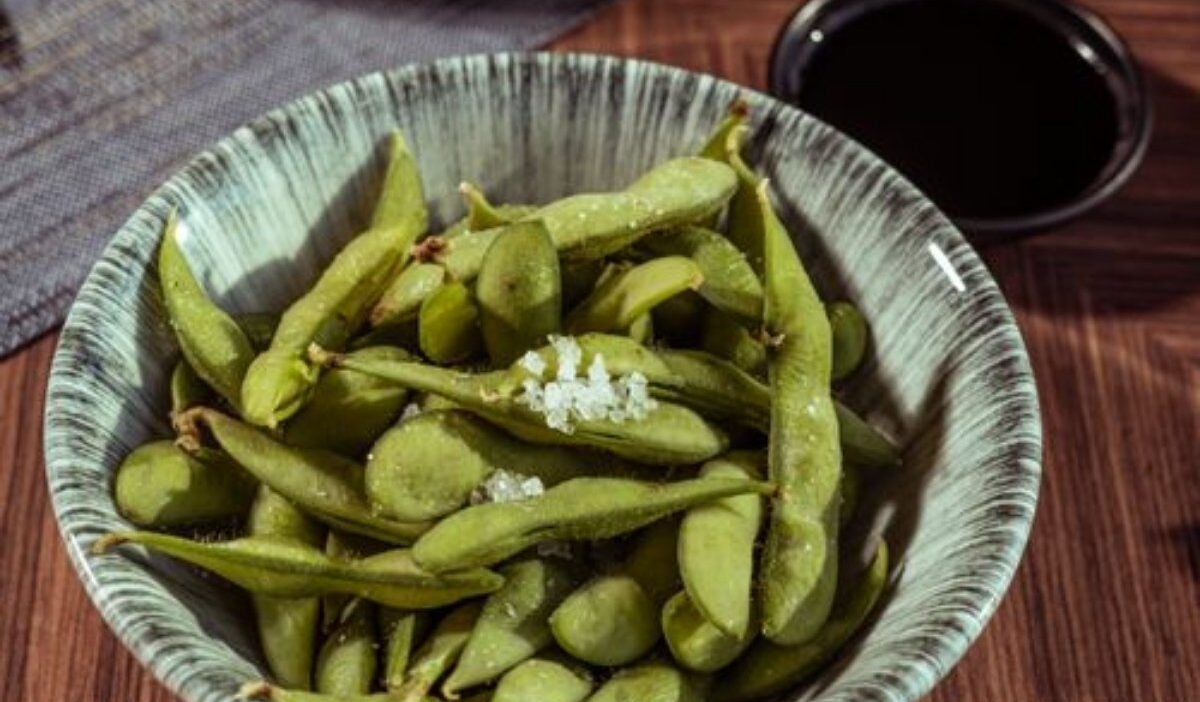
Soybeans are naturally free of gluten. However, traditional soy sauce usually includes wheat as part of the brewing process. As a result, the finished product contains gluten even though soy itself does not.
Some manufacturers produce soy sauce without wheat and label it as gluten free.
2. How Much Gluten Is in Soy Sauce?
Traditional soy sauce contains wheat, so gluten remains present in the final product.
For gluten free foods, many regulatory standards use a threshold of less than 20 parts per million, often written as 20 ppm. Traditional soy sauce does not reliably meet this standard because wheat remains one of the main ingredients.
The table below shows a general comparison:
| Product Type | Gluten Content Guidance | Suitable for a gluten free diet? |
|---|---|---|
| Traditional soy sauce | Wheat is typically used during production | No |
| Certified gluten free soy sauce | Produced below the gluten free standard of 20 ppm | Yes |
| Certified gluten free tamari | Produced below the gluten free standard of 20 ppm | Yes |
| Tamari without gluten free certification | Gluten content varies by brand | Check label |
| Coconut aminos | No gluten-containing ingredients | Yes |
For people with celiac disease, even small amounts of gluten may matter.
>>> Read more: Is Risotto Gluten Free? What to Know Before You Order or Cook It
3. Soy Sauce Gluten Free Alternative
Several soy sauce alternative are often considered when people look for substitutes.
Tamari
Tamari delivers a flavor profile that comes closest to traditional soy sauce. Many certified gluten free tamari products meet the standard of less than 20 ppm gluten, which aligns with common gluten free labeling requirements.
Coconut Aminos
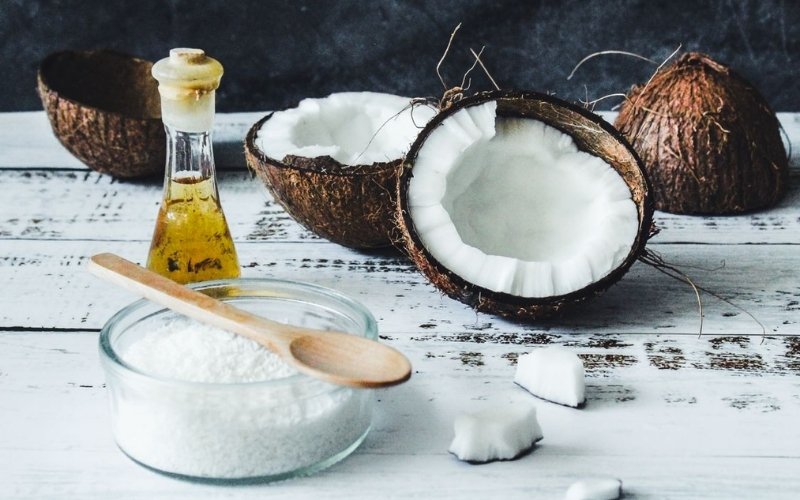
Unlike soy sauce, coconut aminos contain no wheat and no soy. The seasoning comes from fermented coconut sap and offers a naturally sweet taste.
Its ingredient profile appeals to people who follow both gluten free and soy-free diets while still looking for a versatile condiment.
Gluten Free Soy Sauce
For those who enjoy the familiar taste of soy sauce, gluten free soy sauce requires the fewest recipe adjustments.
Manufacturers formulate these products specifically to remain below gluten free thresholds, which helps maintain the expected flavor and cooking performance.
Liquid Aminos and Other Seasoning Alternatives
Liquid aminos provide amino acids and a savory taste that complements a wide range of dishes.
Other alternatives can provide similar depth of flavor while accommodating different dietary preferences, giving home cooks more flexibility beyond traditional soy-based condiments.
4. How to Choose a Safe Soy Sauce Before Buying
A quick review of labels and ingredients can help you identify products that meet the requirements and match your dietary needs.
Look for Certified Gluten Free Labels
On shelves, this label is usually placed on the front or near the nutrition panel. It is the only quick indicator that the product has been produced under gluten free standards.
Check Ingredients Carefully
Ingredients are listed in a single line near the back label. Wheat is commonly included in traditional soy sauce, while gluten free versions remove it entirely.
If wheat, barley, or malt appears, the product is not suitable for a gluten free choice. No further analysis is needed beyond this check.
Choose Tamari Products Carefully
Tamari is often placed alongside soy sauce, which makes shelf selection confusing.
Only tamari products with a gluten free label should be considered reliable.
>>> Read more: Does Walmart Have a Student Discount? The Ultimate Savings Guide for 2026
5. FAQs About Soy Sauce and Gluten
The questions below address common concerns that appear during the buying process.
1. Does Kikkoman Soy Sauce Have Gluten?
Yes. Regular Kikkoman soy sauce contains wheat, which means it is not gluten free. The brand also offers gluten free versions that are made without wheat to suit gluten free diets.
2. What Is Surprisingly Not Gluten-Free?
Foods like teriyaki sauce, marinades, soup bases, and imitation crab may contain wheat-based ingredients even if they look glute -free.
3. Can People With Celiac Disease Eat Soy Sauce?
Yes, but only certified gluten free soy sauce or verified alternatives are considered safe for celiac disease.
4. Is Sushi Restaurant Soy Sauce Usually Gluten Free?
No. Most sushi restaurants’ soy sauce contains wheat and is not gluten free. Some restaurants may offer gluten free soy sauce upon request, but it is not the default option.
5. What organ is most affected by celiac disease?
The small intestine is most affected by celiac disease. Gluten triggers an immune response that damages the lining of the small intestine and interferes with nutrient absorption.
Conclusion
So, is soy sauce gluten free? Traditional soy sauce usually contains wheat, while gluten free soy sauce, tamari, coconut aminos, and liquid aminos offer suitable alternatives.
Product labels provide the clearest guidance before purchase, while OptNYC offers reliable educational insights for informed everyday choices.