
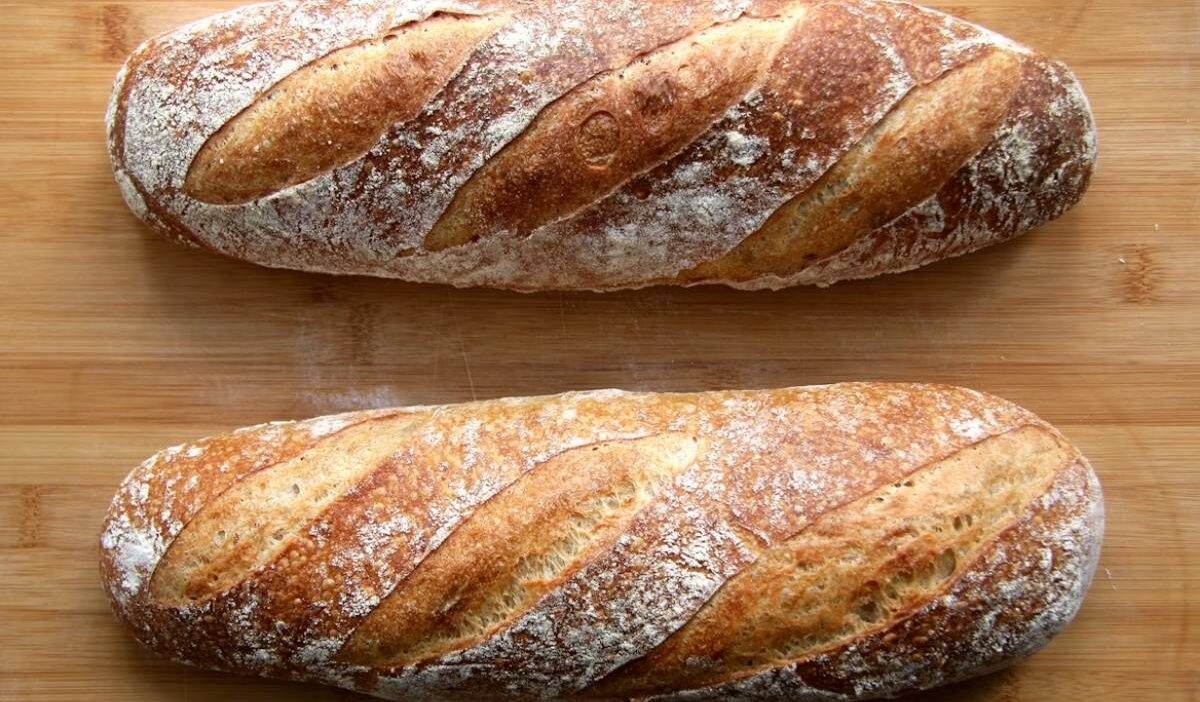
Is sourdough bread gluten free? The question often comes up because sourdough undergoes a unique fermentation process that sets it apart from many other breads.
This guide explains what affects gluten content in sourdough and how to determine whether a specific loaf fits a gluten free diet.
1. Is Sourdough Bread Gluten Free?
No, traditional sourdough bread is not gluten free.
Most sourdough bread is made from wheat, rye, or barley flour, all of which naturally contain gluten. Because these ingredients remain part of the recipe, the finished bread still contains gluten.
Only sourdough bread made entirely with certified gluten free flours and prepared according to gluten free standards can be considered gluten free.
For anyone with celiac disease or a strict gluten free requirement, ingredient verification and product labeling are essential.
>>> Read more: Is Butter Gluten Free? What People With Celiac Disease Should Know
2. Does Sourdough Bread Have Less Gluten Than Regular Bread?
Yes, sourdough bread often contains less gluten than regular bread made with the same flour.
During fermentation, naturally occurring bacteria and yeast break down some gluten proteins.
The amount varies based on the flour type, fermentation length, and baking method. Because every recipe differs, no fixed percentage applies to all sourdough breads.
According to the FDA gluten free labeling standard, a food must contain fewer than 20 parts per million of gluten to qualify as gluten free. Traditional sourdough bread generally does not meet that requirement.
This reduction in gluten helps explain why some people report greater comfort after eating sourdough compared with standard bread.
3. Gluten Free Alternatives to Traditional Sourdough Bread
Several gluten free breads provide a similar bread experience and use ingredients that do not contain gluten.
Rice Flour Bread
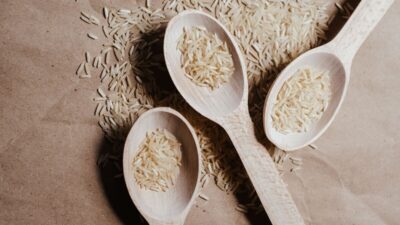
Rice flour bread uses finely milled white or brown rice flour instead of wheat flour. Manufacturers often combine rice flour with starches such as tapioca or potato starch to improve texture.
Rice flour naturally contains no gluten. As a result, it serves as one of the most common foundations for gluten free bread products. The flavor remains mild, which makes it suitable for sandwiches, toast, and everyday meals.
Almond Flour Bread
Almond flour bread uses ground almonds as the primary ingredient. Many recipes also include eggs, baking powder, and natural binders to create structure.
Because almonds do not contain gluten, almond flour bread offers a gluten free alternative to traditional sourdough. It also provides protein, healthy fats, and a richer texture than many grain-based breads.
Grain Free Bread Alternatives
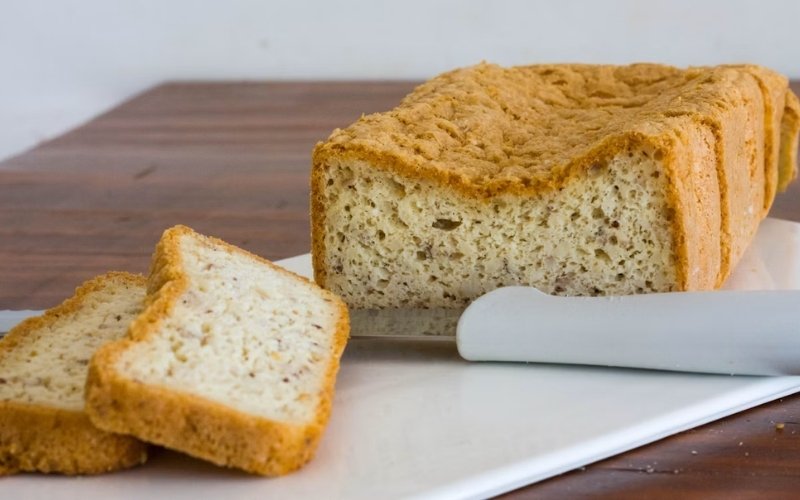
For people avoiding grains entirely, several bread alternatives are made without wheat, rice, oats, corn, or other cereal grains.
Many grain-free breads are popular among individuals following paleo, low-carb, gluten-free, or grain-free eating plans. However, nutritional content can vary significantly depending on the ingredients used.
| Alternative | Main Ingredients |
|---|---|
| Coconut flour bread | Coconut flour, eggs, oil |
| Cassava bread | Cassava flour, water, eggs |
| Seed bread | Flaxseeds, sunflower seeds, pumpkin seeds |
| Nut-based bread | Almond flour, walnuts, eggs |
4. How To Choose Gluten Free Sourdough Bread
A gluten free sourdough product should meet specific ingredient and labeling standards. Use the following checklist when comparing options:
- Check the package for a certified gluten free label on the sourdough bread.
- Review the ingredient list for rice flour, sorghum flour, buckwheat flour, or other gluten free flours.
- Confirm that the starter culture comes from gluten free ingredients.
- Ask the bakery whether separate equipment supports gluten free sourdough bread production.
- Look for clear allergen information on every gluten free sourdough bread package.
- Choose products from manufacturers that provide detailed ingredient transparency.
>>> Read more: Is Oat Milk Gluten Free? The Important Truth for People With Celiac Disease
5. FAQs About Sourdough Bread Gluten Free
The questions below address several related concerns that often appear alongside this topic.
What Bread Has the Least Gluten?
Long-fermented sourdough bread often has less gluten than regular wheat bread. Gluten free bread has the least gluten because it is made without wheat, rye, or barley.
Is Sourdough Bread Inflammatory?
No, sourdough bread is not inherently inflammatory. Individual responses vary based on health conditions, ingredients, and overall diet.
Is Sourdough Better if You’re Gluten Intolerant?
Yes, some people with gluten sensitivity find sourdough easier to tolerate because fermentation breaks down part of the gluten and other compounds.
Can You Eat Sourdough Bread With Hashimoto’s?
Yes, some people with Hashimoto’s eat sourdough bread, but dietary needs differ. A healthcare professional can help determine the best choice for your situation.
6. Conclusion
Is sourdough bread gluten free? In most cases, the answer is no because traditional recipes still contain gluten from wheat, rye, or barley flour. Even though fermentation reduces some gluten, it does not automatically create a gluten free product.
Visit OptNYC for more practical nutrition and wellness insights.