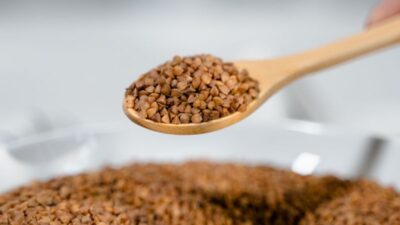

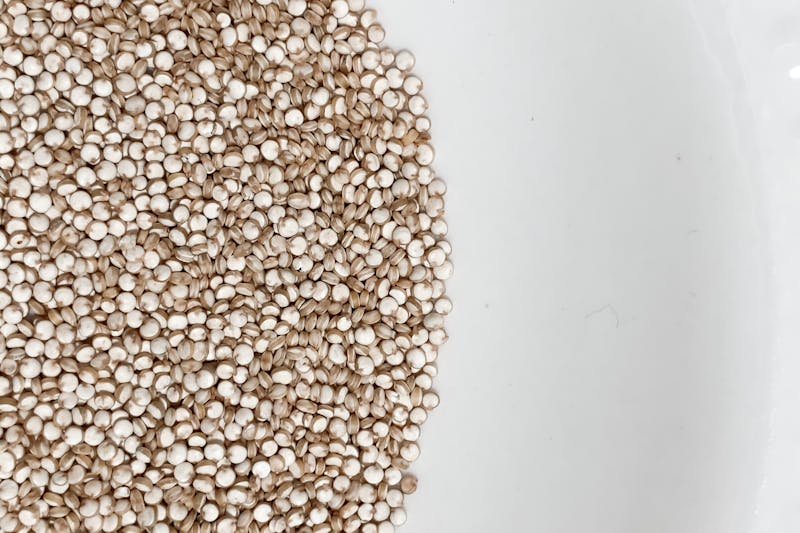
Is quinoa gluten free? This question has become increasingly common as more people look for nutritious alternatives to wheat-based foods.
Quinoa is a seed that is often used like a grain in salads, grain bowls, breakfast dishes, and baked goods. It is known for its impressive nutritional profile, including protein, fiber, vitamins, and minerals.
However, before adding quinoa to a gluten-free diet, it is important to understand whether it truly contains gluten and what factors may affect its safety for people with celiac disease or gluten sensitivity.
1. Is Quinoa Gluten Free?
Yes, Quinoa is naturally gluten free and does not contain the proteins found in wheat, barley, or rye that trigger reactions in people with celiac disease.
According to the Celiac Disease Foundation, naturally gluten-free foods can be part of a safe diet for people who must avoid gluten. Quinoa falls into this category.
Why Quinoa Is Naturally Gluten Free
Gluten is a group of proteins found in certain cereal grains. Since quinoa is a seed rather than a true grain, it does not produce these proteins.
As a result, quinoa can be included in many gluten-free meal plans. It is often used in place of rice, pasta, couscous, and other grain-based side dishes.
Watch for Cross-Contamination
Although quinoa is naturally gluten free, processing practices can sometimes create problems. Some quinoa products may be processed in facilities that also handle wheat or other gluten-containing grains.
For this reason, people with celiac disease should look for products labeled “certified gluten free.” Certification helps reduce the risk of cross-contamination during harvesting, transportation, and packaging.
2. Quinoa’s Nutritional Benefits and Why Eat Quinoa?
Now that you have the answer, it is worth exploring why this seed is considered a nutritional powerhouse.
Rich in Protein
Quinoa contains all nine essential amino acids. This makes it a complete protein source, which is uncommon among plant foods.
People following vegetarian or vegan diets often include quinoa to increase their protein intake. A single serving can contribute meaningful amounts of protein to a balanced meal.
High in Fiber
Fiber supports digestive health and may help promote feelings of fullness after meals. Quinoa contains more fiber than many refined grain products.
As a result, it may help support healthy eating habits and stable energy levels throughout the day.
Packed With Vitamins and Minerals
Quinoa provides several important nutrients, including:
- Magnesium
- Iron
- Zinc
- Folate
- Phosphorus
Naturally Versatile
Another reason people choose quinoa is its flexibility in the kitchen. It works well in savory and sweet recipes alike.
You can serve it as a side dish, mix it into soups, add it to salads, or use it as a base for grain bowls.
3. Can Quinoa Cause Gluten-Like Reactions?
This can create confusion and lead people to wonder whether quinoa actually contains gluten or if another factor is responsible for their reaction.
In most cases, the issue is not gluten itself.
Sensitivity to Saponins
Quinoa naturally contains compounds called saponins on its outer coating. These compounds help protect the plant from pests.
For some people, saponins may contribute to digestive discomfort. Symptoms can include stomach irritation or mild digestive upset.
Fortunately, rinsing quinoa thoroughly before cooking can remove much of the saponin coating.
Individual Food Sensitivities
Some people may have a sensitivity or intolerance to quinoa itself. Although uncommon, food sensitivities can occur with almost any food.
Symptoms may resemble digestive issues associated with gluten consumption, even though gluten is not present.
Cross-Contamination Concerns
As mentioned earlier, cross-contamination remains one of the most important considerations. If quinoa comes into contact with wheat during processing, individuals with celiac disease may experience symptoms.
Therefore, selecting certified gluten-free quinoa products remains the safest option.
>>> Read more: Is Risotto Gluten Free? Important Facts You Must Know Before Ordering
4. How to Eat Quinoa Safely and Easily?
Follow these simple steps to prepare quinoa safely and get the most from this naturally gluten-free grain.
Step 1: Choose Certified Gluten-Free Quinoa
Read product labels carefully before purchasing. Look for certified gluten-free packaging if you have celiac disease or severe gluten sensitivity.
This extra step helps reduce the risk of accidental gluten exposure.
Step 2: Rinse Thoroughly
Place the quinoa in a fine-mesh strainer and rinse it under cold running water for at least 30 seconds.
This helps remove saponins and can improve the taste of the finished dish.
Step 3: Cook With the Right Ratio
Most quinoa cooks well using a ratio of two cups of water to one cup of quinoa.
Bring the mixture to a boil, reduce the heat, cover, and simmer for about 15 minutes.
Step 4: Let It Rest
After cooking, allow the quinoa to sit covered for about five minutes.
Then fluff it gently with a fork to separate the grains and improve texture.
Step 5: Add to Balanced Meals
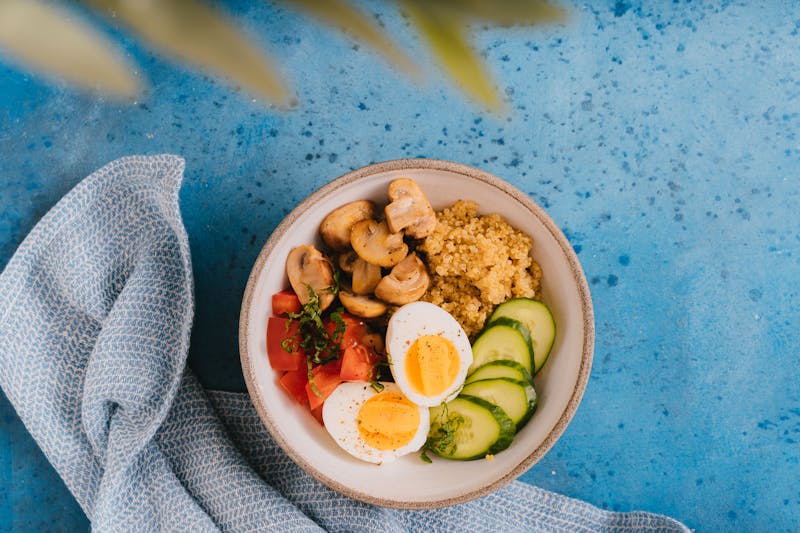
Quinoa pairs well with vegetables, lean proteins, legumes, and healthy fats.
For example, you can use it in salads, stuffed vegetables, breakfast bowls, or simple side dishes.
5. FAQs
Is quinoa safe for people with celiac disease?
Yes. Quinoa is naturally gluten free and is generally considered safe for people with celiac disease when it is certified gluten free.
Is quinoa healthier than rice?
Both can fit into a healthy diet. However, quinoa typically contains more protein, fiber, and micronutrients than white rice.
Is quinoa processed with wheat or other gluten grains?
Some products may be processed in shared facilities. Always check labels and choose certified gluten-free options when necessary.
Do you need to rinse quinoa before eating?
Yes. Rinsing helps remove natural saponins that can affect flavor and may contribute to digestive discomfort.
Can quinoa upset your stomach?
In some cases, yes. Sensitivity to saponins or quinoa itself may cause digestive symptoms in certain individuals.
6. Conclusion
So, is quinoa gluten free? Yes, quinoa is naturally gluten free and can be an excellent addition to a gluten-free diet. It offers protein, fiber, vitamins, and minerals while providing a versatile alternative to traditional grains.
By choosing certified gluten-free products, rinsing quinoa properly, and preparing it correctly, you can enjoy the nutritional benefits of quinoa with greater confidence.