

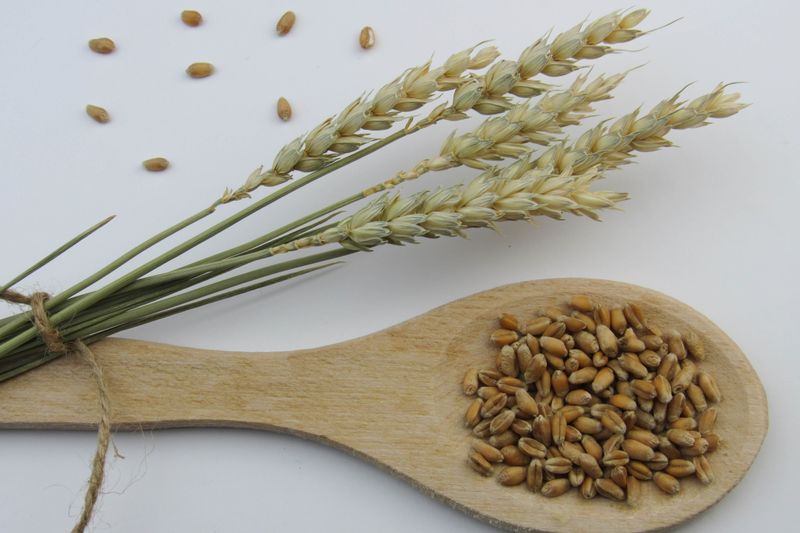
Is farro gluten free? If you’re considering adding farro to your meals, it’s important to know that farro is an ancient wheat grain known for its chewy texture, nutty flavor, and impressive nutritional profile.
Despite its reputation as a wholesome ancient grain, farro is not gluten free because it belongs to the wheat family and naturally contains gluten.
Its popularity in Mediterranean dishes such as soups, salads, and grain bowls often leads people to assume it is safe for gluten-free diets.
1. Is Farro Gluten Free or Safe?
The answer to is farro gluten free is clear: farro is not gluten free. Farro belongs to the wheat family, and all forms of farro contain gluten proteins. This makes it unsuitable for people with celiac disease, non-celiac gluten sensitivity, or wheat allergies.
Gluten is a protein naturally found in wheat, barley, and rye. When someone with celiac disease consumes gluten, the immune system attacks the small intestine, causing damage and affecting nutrient absorption.
Furthermore, the U.S. Food and Drug Administration does not allow products containing wheat species such as farro to be labeled gluten-free.
2. Why Do Some People Think Farro Is Gluten Free?
Confusion surrounding farro is surprisingly common.
One reason is that farro is often described as an “ancient grain”. Many consumers associate ancient grains with healthier and less processed foods. While that may be true nutritionally, it does not automatically mean they are gluten free.
Another source of confusion is that some people claim ancient wheat varieties contain a different gluten structure than modern wheat. While certain individuals may report fewer digestive symptoms, farro still contains gluten and remains unsafe for anyone with celiac disease.
Additionally, farro is less familiar than traditional wheat flour. As a result, many restaurant staff and consumers do not realize it is a wheat product. Numerous reports from the gluten-free community highlight accidental gluten exposure caused by this misunderstanding.
3. Types of Farro and Their Gluten Content
Understanding the different forms of farro helps explain why the answer to is farro gluten free remains the same regardless of variety.
Einkorn (Farro Piccolo)
Einkorn is one of the oldest cultivated wheat species. Although its gluten structure differs somewhat from modern wheat, it still contains gluten and is not safe for people with celiac disease or those avoiding gluten.
Emmer (Farro Medio)
Emmer is the variety most commonly sold as farro in the United States and Europe. Like all wheat species, it contains gluten and should be avoided on a gluten-free diet.
Spelt (Farro Grande)
Spelt is another ancient wheat variety sometimes associated with farro. Despite common misconceptions, spelt is not gluten free and is unsuitable for people with celiac disease or gluten sensitivity.
In other words, regardless of which variety appears on a package or menu, all forms of farro contain gluten. Therefore, the answer to is farro gluten free is always no.

4. Who Should Avoid Farro?
Certain individuals should avoid farro completely.
People diagnosed with celiac disease should never consume farro because even small amounts of gluten can trigger an immune response and intestinal damage.
Those with non-celiac gluten sensitivity may also experience digestive discomfort, fatigue, headaches, or other symptoms after eating farro.
Additionally, anyone with a wheat allergy should stay away from farro because it is a wheat product.
If you suspect gluten-related symptoms but have not been diagnosed, consult a healthcare professional before making major dietary changes.
5. Best Gluten-Free Alternatives to Farro
Although is farro gluten free has a negative answer, there are several nutritious alternatives that offer similar texture and versatility.
Quinoa
Quinoa is naturally gluten free and provides protein, fiber, and essential minerals. It works well in salads, grain bowls, and side dishes.
Brown Rice
Brown rice offers a mild flavor and chewy texture. It is widely available and naturally gluten free.
Sorghum
Sorghum is a gluten-free ancient grain with a hearty texture that resembles wheat berries in many recipes.
Millet
Millet cooks quickly and has a mild, slightly sweet flavor. It can replace farro in many grain-based dishes.
Teff
Teff is rich in nutrients and works well in salads, porridges, and baked goods. It is naturally gluten free.
>>> Read more: Walmart Student Discount? The Ultimate Savings Guide for 2026
6. FAQs
Is farro used in pasta or bread?
Yes. Farro can be milled into flour and incorporated into breads, pasta, baked goods, and other wheat-based products. Because it is wheat, these foods also contain gluten.
Does cooking or soaking farro remove gluten?
No. Cooking, boiling, or soaking farro does not remove gluten. The gluten proteins remain present after preparation.
Why is farro popular in healthy recipes?
Farro contains fiber, protein, iron, and other nutrients. Its chewy texture and nutty flavor also make it a versatile ingredient in salads, soups, and grain bowls.
How to check grains and labels for hidden gluten risks?
Read ingredient lists carefully and look for wheat-related terms such as farro, spelt, einkorn, and emmer. When purchasing gluten-free grains, choose products labeled or certified gluten free to reduce cross-contamination risks.
7. Conclusion
So, there you have it, is farro gluten free? No. Farro is a wheat grain, and every form of farro contains gluten.
Whether it appears as einkorn, emmer, or spelt, it is not suitable for people with celiac disease, gluten sensitivity, or wheat allergies.