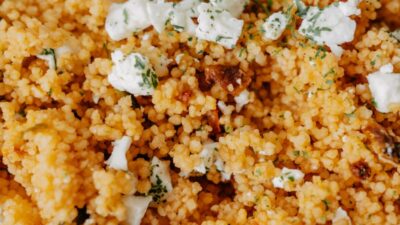

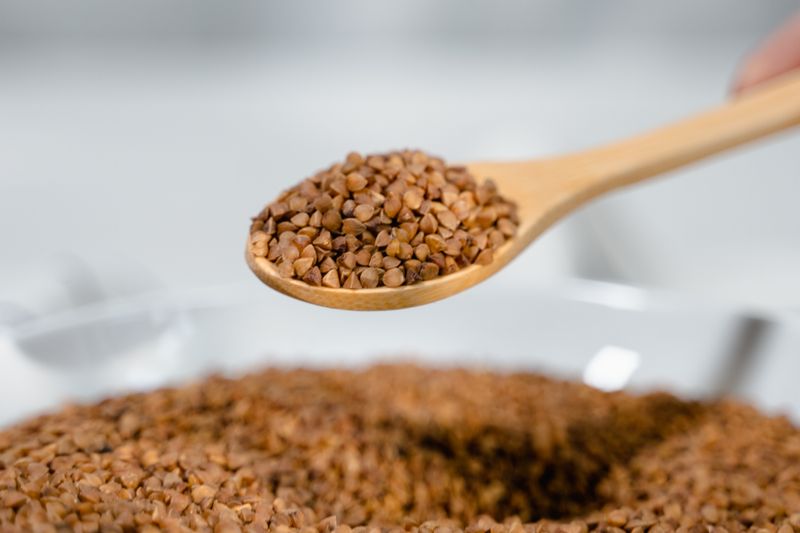
Is buckwheat gluten free? Yes, pure buckwheat is naturally gluten free, despite its somewhat misleading name.
Many people assume it contains wheat because of the word “wheat”, but buckwheat is not related to wheat, barley, or rye. It is a seed from a flowering plant and is classified as a pseudocereal, similar to quinoa and amaranth.
It has been consumed for centuries in dishes such as porridge, noodles, pancakes, and baked goods.
However, there are a few important details to understand before adding buckwheat products to your meals. Let’s take a closer look.
1. Is Buckwheat Gluten Free or Not?
The simple answer is yes. Pure buckwheat is naturally gluten free and does not contain the gluten proteins found in wheat, barley, and rye.
Despite its name, buckwheat is not a type of wheat and is actually more closely related to rhubarb than traditional cereal grains.
As a result, buckwheat is often recommended as an alternative grain for people who follow a gluten-free diet. It is commonly available as:
- Buckwheat groats
- Buckwheat flour
- Buckwheat noodles
- Buckwheat cereals
- Buckwheat-based baking mixes
Nevertheless, there is one important concern. During farming, transportation, or manufacturing, buckwheat can come into contact with wheat-containing grains.
Therefore, if you have celiac disease or severe gluten sensitivity, choose products that are clearly labeled gluten free.
According to the FDA’s gluten-free labeling standards, foods carrying a gluten-free label must contain less than 20 parts per million of gluten.
2. Nutritional Benefits of Buckwheat and Why People Choose It
Not only is it gluten-free, but it’s also packed with nutrients, making it a healthy choice.
Rich in Fiber
Buckwheat contains a significant amount of dietary fiber. Fiber supports digestive health, promotes fullness, and may help maintain stable blood sugar levels.
Provides Plant-Based Protein
Unlike many grains, buckwheat contains high-quality protein with several essential amino acids. This makes it a valuable ingredient for vegetarian and plant-focused diets.
Contains Important Minerals
Buckwheat supplies minerals such as:
- Magnesium
- Manganese
- Phosphorus
- Iron
- Zinc
- Copper
Naturally Gluten Free
For people with celiac disease or gluten intolerance, buckwheat provides a versatile substitute for wheat-based products. It can be used in breads, pancakes, noodles, and baked goods while helping maintain dietary variety.
Contains Beneficial Antioxidants
Buckwheat contains antioxidants such as rutin and quercetin. These compounds may help support heart health and protect cells from oxidative stress.
>>> Read more: Is Risotto Gluten Free? Important Facts You Must Know Before Ordering
3. When Buckwheat May Not Be Safe
There are situations where caution is necessary.
Cross-Contamination Risks
The biggest concern is cross-contact with wheat, barley, or rye during processing. Shared equipment and storage facilities can introduce gluten into buckwheat products.
For this reason, certified gluten-free products are usually the safest option for people with celiac disease.
Mixed Ingredients
Some foods made with buckwheat also contain wheat flour. Traditional soba noodles are a common example. While some varieties contain 100% buckwheat, others include wheat as a major ingredient.
Always read ingredient labels carefully before purchasing.
Buckwheat Allergy
Although uncommon, buckwheat allergies do exist. Individuals with a buckwheat allergy may experience symptoms ranging from mild digestive discomfort to more serious allergic reactions.
Digestive Sensitivity
Some people may experience bloating or digestive discomfort when introducing large amounts of fiber-rich foods into their diet. Gradually increasing buckwheat intake can help minimize these effects.
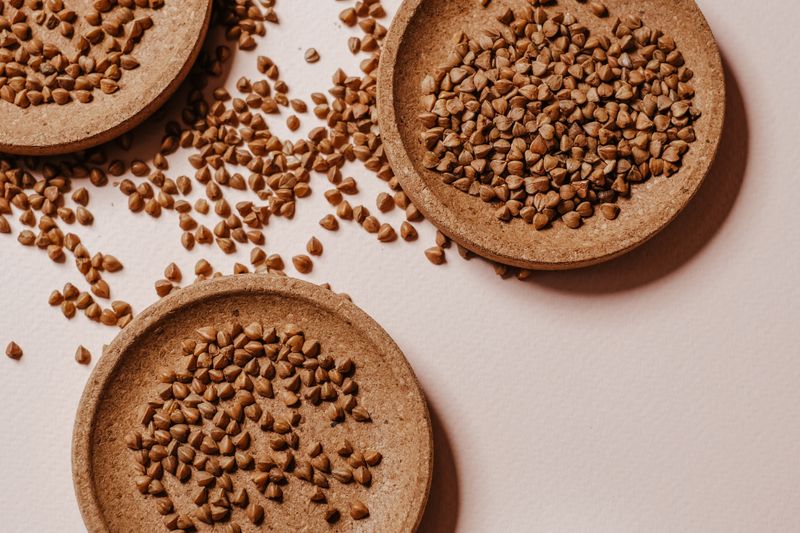
4. How to Use Buckwheat in a Gluten-Free Diet
Buckwheat is versatile and easy to incorporate into daily meals. Follow these simple steps to add it to your gluten-free diet.
Step 1: Choose Certified Gluten-Free Products
Start by selecting products that carry a gluten-free certification or label. This helps reduce the risk of cross-contact with gluten-containing grains.
Step 2: Try Buckwheat Groats
Cook buckwheat groats similarly to rice. They can be served as a side dish, added to soups, or used in grain bowls.
Step 3: Use Buckwheat Flour for Baking
Buckwheat flour works well in pancakes, muffins, waffles, and homemade breads. Many gluten-free recipes combine buckwheat flour with other gluten-free flours for improved texture.
Step 4: Explore Buckwheat Noodles
Look for noodles made from 100% buckwheat and clearly labeled gluten free. These can be used in stir-fries, soups, and cold noodle dishes.
Step 5: Add It to Breakfast
Buckwheat cereals and porridge provide a nutritious breakfast option rich in fiber and plant-based protein.
5. FAQs
Is buckwheat flour gluten free?
Yes. Pure buckwheat flour is naturally gluten free. However, choose products labeled gluten free to avoid cross-contamination.
Can people with celiac disease eat buckwheat?
Yes. Pure buckwheat is generally considered safe for people with celiac disease when it is certified gluten free.
Is buckwheat safe for gluten intolerance?
Yes. Most people with gluten intolerance can safely eat pure buckwheat because it does not naturally contain gluten.
Does buckwheat contain wheat despite its name?
No. Buckwheat is unrelated to wheat and does not naturally contain gluten.
Can buckwheat cause stomach issues?
In some cases, yes. Its fiber content may cause bloating or digestive discomfort when introduced suddenly in large amounts. Rare allergic reactions are also possible.
6. Conclusion
Is buckwheat gluten free? In its pure form, the answer is yes. Buckwheat is a naturally gluten-free seed that offers fiber, protein, minerals, and antioxidants, making it a valuable addition to many eating plans.
At the same time, product selection matters. People with celiac disease or severe gluten sensitivity should choose certified gluten-free buckwheat products and review ingredient labels carefully. When sourced properly, buckwheat can be a nutritious and versatile staple in a gluten-free lifestyle.