

Is popcorn gluten free? In most cases, the answer is yes. Plain popcorn comes from corn kernels, which do not naturally contain gluten. That makes popcorn a popular snack for people following a gluten-free lifestyle or managing celiac disease.
However, not every popcorn product is equally safe. Ingredients added during processing, flavorings, and manufacturing practices can introduce gluten into an otherwise gluten-free snack. As a result, understanding what to look for is important before adding popcorn to your diet.
1. Is Popcorn Gluten Free
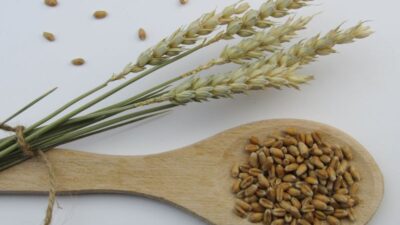
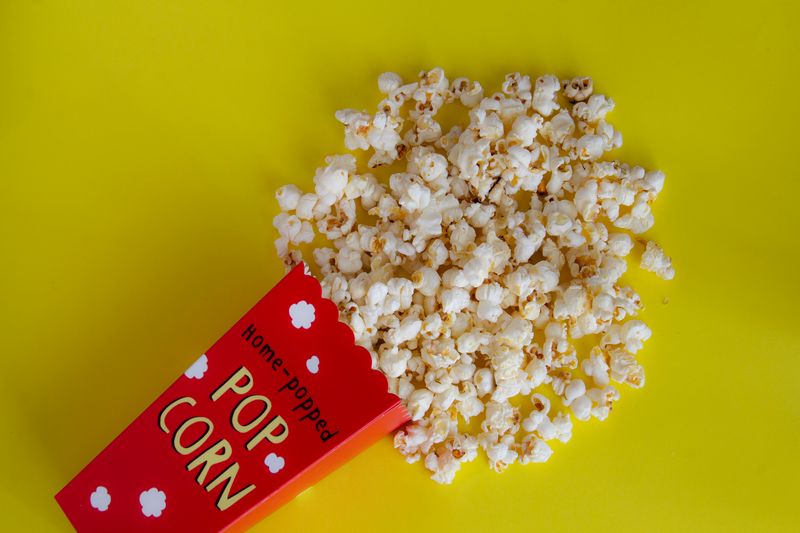
Yes, plain popcorn is naturally gluten free because it is made from corn. Gluten is a protein found in wheat, barley, rye, and related grains. Since corn does not belong to this group, plain air-popped or oil-popped popcorn does not contain gluten.
For this reason, many people with gluten sensitivity or celiac disease enjoy popcorn as a snack alternative to crackers, pretzels, or baked products made with wheat.
Why Corn Is Naturally Gluten Free
Corn is considered a naturally gluten-free grain. According to the U.S. Food and Drug Administration (FDA), gluten-free foods must not contain ingredients derived from wheat, rye, barley, or related grains unless processed to remove gluten and meet strict standards.
Since popcorn is simply heated corn kernels, plain varieties generally fit within a gluten-free diet.
Plain Popcorn vs. Processed Popcorn
The distinction becomes important when additional ingredients are introduced.
While plain popcorn is naturally gluten free, processed popcorn products may contain seasonings, flavorings, or additives that change its gluten-free status.
Therefore, checking labels remains essential, especially for individuals who must avoid even small amounts of gluten.
2. When Popcorn May Contain Gluten
Added flavorings and cross-contact during processing can sometimes introduce gluten.
Flavorings and Seasonings
Many flavored popcorn products contain ingredients beyond corn, oil, and salt. Some seasonings may include:
- Malt flavoring
- Wheat-based ingredients
- Soy sauce containing wheat
- Certain seasoning blends and coatings
Cross-Contamination During Manufacturing
Cross-contamination can occur when popcorn is produced in facilities that also process wheat-containing foods.
Even if gluten is not intentionally added, trace amounts may be introduced during manufacturing. This can be a concern for people with celiac disease or severe gluten sensitivity.
Movie Theater Popcorn
Movie theater popcorn may or may not be gluten free. The popcorn kernels themselves are generally safe, but the butter flavoring, oils, or seasoning salts used by individual theaters can vary.
As a result, it is best to check ingredient information directly with the theater before consuming popcorn if you follow a strict gluten-free diet.
Microwave Popcorn
Microwave popcorn is often gluten free, but not always. Some brands add flavor packets or seasonings that may contain gluten ingredients.
3. Is Popcorn Safe for Sensitive Diets?
Popcorn is generally a safe snack for most people following a gluten-free diet, but there are a few caveats to keep in mind.
For People With Celiac Disease
Individuals with celiac disease can usually eat plain popcorn safely. However, they should choose products labeled gluten free whenever possible and carefully review ingredient lists.
The FDA requires foods labeled “gluten-free” to contain less than 20 parts per million (ppm) of gluten. This standard helps consumers identify safer packaged products.
For People With Gluten Sensitivity
Those with non-celiac gluten sensitivity can generally enjoy popcorn as well. Still, flavored varieties may trigger symptoms if they contain gluten ingredients or experience cross-contact during production.
Is Homemade Popcorn Safer?
Homemade popcorn often provides the highest level of control.
When you start with plain popcorn kernels and add your own gluten-free seasonings, you can significantly reduce the risk of accidental gluten exposure.
4. How to Choose Gluten-Free Popcorn
Selecting safe popcorn products becomes easier when you know what to look for.
Step 1: Read the Ingredient List
Look for simple ingredients such as:
- Popcorn
- Corn
- Oil
- Salt
Step 2: Check for Gluten-Free Labeling
Products labeled “gluten-free” must meet FDA standards regarding gluten content. This label offers an extra layer of confidence for consumers.
More information is available from the FDA’s gluten-free labeling guidance: FDA Gluten-Free Labeling Guidance.
Step 3: Look for Certification
Some brands go beyond standard labeling and obtain third-party gluten-free certification. These products often undergo additional testing and verification.
Step 4: Review Allergen Statements
Many manufacturers disclose whether products are produced on shared equipment or in facilities that process wheat.
These statements can help you assess potential cross-contact risks.
Step 5: Be Careful With Flavored Varieties
Cheese, caramel, butter, and specialty-flavored popcorn products are more likely to contain added ingredients. Always verify their gluten-free status before purchasing.
>>> Read more: Walmart Student Discount? The Ultimate Savings Guide for 2026
5. FAQs
Can people with celiac disease eat popcorn?
Yes. Plain popcorn is naturally gluten free and is generally safe for people with celiac disease. However, flavored products and cross-contamination risks should always be considered.
Is movie theater or microwave popcorn gluten free?
Sometimes. Plain popcorn is usually gluten free, but butter flavorings, seasoning blends, and additives may contain gluten. Always verify ingredients with the theater or manufacturer.
Are flavored popcorn varieties gluten free?
Not always. Some flavored popcorn products contain malt flavoring, wheat-based ingredients, or seasonings that introduce gluten.
What should you check on labels to confirm gluten-free popcorn?
Review the ingredient list, allergen statement, and gluten-free certification or labeling. These details help identify potential gluten sources.
Is kettle corn gluten free?
Traditional kettle corn made with popcorn, sugar, oil, and salt is generally gluten free. However, packaged versions should still be checked for additives and cross-contamination risks.
6. Conclusion
Is popcorn gluten free? Plain popcorn is naturally gluten free because it comes from corn rather than wheat, barley, or rye.
Nevertheless, flavored popcorn products, microwave varieties, and movie theater popcorn may contain gluten-containing ingredients or be exposed to cross-contamination during processing.