
Is cheese gluten free? In most cases, yes. Natural cheese is generally gluten free because it is made from milk, cultures, enzymes, and salt, none of which contain gluten. However, some cheese products can contain gluten-containing additives, flavorings, or thickeners.
For people with celiac disease, gluten sensitivity, or anyone following a gluten-free diet, understanding which cheese products are safe is important. While many cheeses are naturally free of gluten, processed varieties, flavored cheeses, and cheese-based products may carry hidden risks.
1. Is Cheese Gluten Free?
Most natural cheese is gluten free.
Cheese is traditionally made from milk, bacterial cultures, enzymes, and salt. These ingredients do not contain wheat, barley, rye, or other gluten-containing grains.
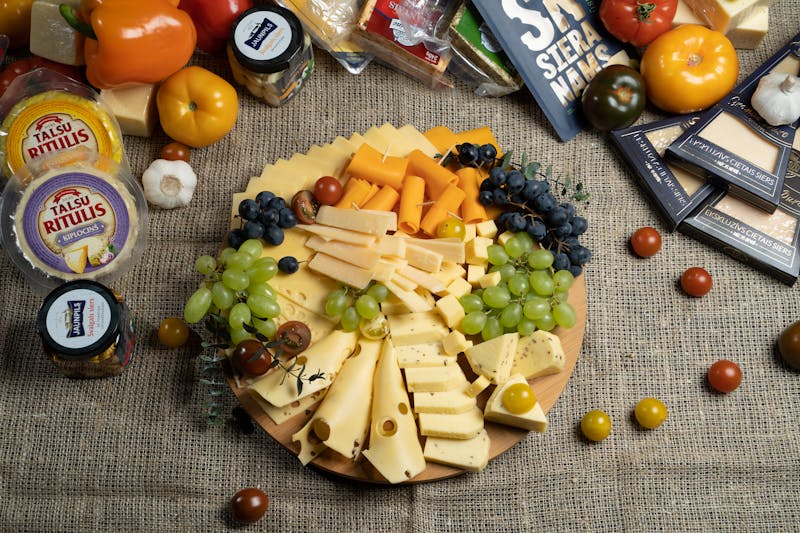
As a result, many common cheeses are naturally safe for a gluten-free diet. Examples include:
- Cheddar
- Mozzarella
- Swiss
- Parmesan
- Gouda
- Provolone
- Monterey Jack
Some manufacturers include flavorings, starches, seasonings, or stabilizers that may contain gluten. Cross-contact during production can also be a concern for people with celiac disease.
The U.S. Food and Drug Administration requires foods labeled “gluten free” to meet strict standards and contain less than 20 parts per million (ppm) of gluten.
2. What Cheese May Contain Gluten?
Although natural cheese is usually safe, some products may contain gluten-containing ingredients.
Processed Cheese Products
Processed cheese slices, cheese spreads, and cheese sauces often contain additional ingredients that improve texture and shelf life. Some of these additives may contain gluten.
Flavored Cheese
Cheeses flavored with ingredients such as beer, malt, breadcrumbs, or seasoning blends may contain gluten. Always review the ingredient list carefully.
Cheese Dips and Sauces
Packaged cheese dips, queso products, and cheese-based sauces often contain thickeners and stabilizers. These ingredients can sometimes be derived from wheat.
Restaurant Cheese Dishes
Even when the cheese itself is gluten free, cross-contact can occur during food preparation. This is especially important for people with celiac disease.
Pre-Packaged Specialty Cheese
Some specialty cheeses include herbs, spice mixes, smoke flavoring, or coating ingredients that may contain gluten. Reading labels remains essential.
Ingredients to Watch For
Check labels for:
- Wheat starch
- Wheat protein
- Malt extract
- Malt vinegar
- Barley ingredients
- Rye ingredients
- Modified food starch from wheat
3. Which Types of Cheese Are Gluten Free?
Cheddar Cheese
Traditional cheddar contains only basic dairy ingredients and is naturally gluten free.
Mozzarella Cheese
Fresh and block mozzarella are usually gluten free. However, breaded mozzarella sticks are not.
Parmesan Cheese
Authentic Parmesan cheese is naturally gluten free. Pre-packaged grated varieties should still be checked for additional ingredients.
Swiss Cheese
Swiss cheese contains no gluten ingredients and is generally safe for gluten-free diets.
Gouda Cheese
Most Gouda varieties are naturally gluten free unless flavored with gluten-containing additives.
Monterey Jack
This mild cheese is typically gluten free and commonly used in gluten-free recipes.
Cottage Cheese and Cream Cheese
Plain versions are generally gluten free. However, flavored varieties may contain additives that require label verification.
Goat Cheese and Feta
Plain goat cheese and feta are usually gluten free. Flavored or marinated versions may require additional scrutiny.
Because manufacturing practices vary, checking labels remains the safest approach.
4. How to Choose Safe Cheese on a Gluten-Free Diet
Selecting the right products helps reduce risk and improve confidence when shopping.
Step 1: Read the Ingredient List
Start by reviewing every ingredient. Look for wheat, barley, rye, malt, or other gluten-containing ingredients.
Step 2: Look for a Gluten-Free Label
Products labeled “gluten free” must meet FDA standards. This provides additional reassurance for consumers with celiac disease.
Step 3: Choose Natural Cheese When Possible
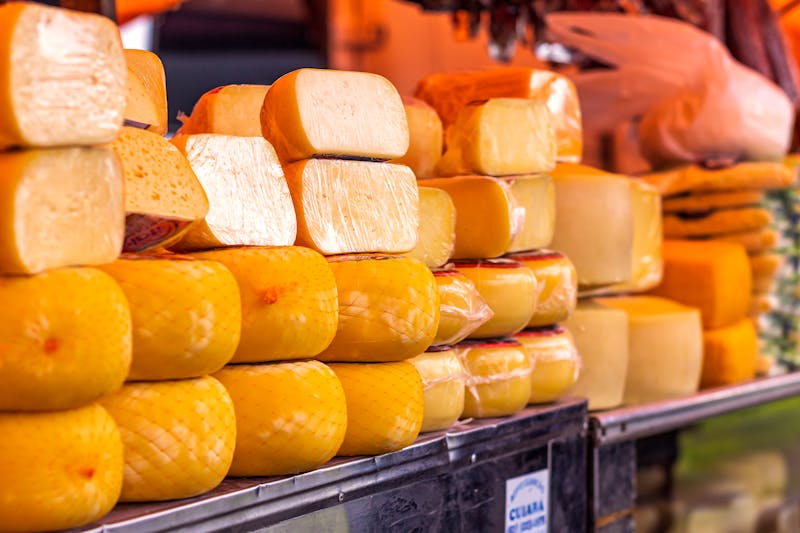
Block cheese and traditional cheese varieties generally have fewer ingredients and lower risk of gluten exposure.
Step 4: Be Careful With Flavored Products
Seasoned, smoked, marinated, or specialty cheeses may contain hidden sources of gluten.
Step 5: Check Cheese Sauces and Dips
Many cheese-based sauces contain thickening agents. Always verify the ingredients before purchasing.
Step 6: Consider Cross-Contact Risks
At deli counters and restaurants, cheese may come into contact with gluten-containing foods during slicing or preparation. People with celiac disease should ask questions before ordering.
Step 7: Contact the Manufacturer if Needed
If a label is unclear, reach out directly to the manufacturer for clarification regarding gluten content and production practices.
>>> Read more: Chipotle Student Discount: What Students Should Know Before Ordering
5. FAQs
Is shredded cheese gluten free?
Usually yes. Most shredded cheese is gluten free. However, check the label because some products may contain additives or starch-based ingredients.
Is cheese safe during the early stages of a gluten free diet?
Yes. Most natural cheese can be part of a gluten-free diet. Focus on simple, minimally processed varieties and read labels carefully.
Is cheese safe for people with celiac disease?
Most natural cheese is safe for people with celiac disease. Products labeled gluten free provide additional confidence because they must meet FDA standards.
Are cheese spreads and dips gluten free?
Some are, but many contain stabilizers, flavorings, or thickeners that may include gluten. Always review the ingredients before consuming them.
Does cheese ever contain wheat or gluten-based additives?
Yes. Certain processed cheeses, flavored cheeses, and cheese sauces may contain wheat starch, malt ingredients, or other gluten-containing additives.
6. Conclusion
Is cheese gluten free? In most cases, natural cheese is naturally gluten free and can be safely enjoyed on a gluten-free diet. Cheddar, mozzarella, Parmesan, Swiss, Gouda, and many other traditional cheeses contain no gluten ingredients.
However, processed cheese products, flavored varieties, cheese dips, and specialty cheeses may contain hidden sources of gluten.
Reading labels, choosing simple cheese products, and looking for gluten-free certification can help reduce risk.